
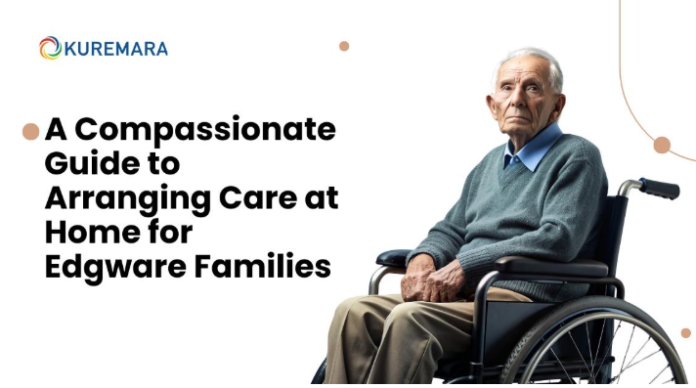


There often comes a quiet, gradual moment in family life when you realise a loved one needs a little more help than they once did. Perhaps a parent is finding everyday tasks harder, recovering from a fall, or simply becoming more isolated. It’s rarely an easy realisation and for many families, the first instinct is to worry that the only option is a care home. The good news is that, for most people, it isn’t. With the right support, the vast majority of people can continue to live safely, comfortably, and happily in the home they love. That is the whole purpose of care at home: to bring professional support to your loved one’s door, on their terms, so they can keep their independence, their routines, and their dignity. This guide explains what that support involves, the options available in Edgware, and how to take the next step with confidence.
What domiciliary care actually means
If you’ve started looking into care, you’ll have come across the term “domiciliary care” and it’s worth understanding clearly. Put simply, domiciliary care is care delivered in a person’s own home, rather than in a residential or nursing home. A trained carer comes to your loved one, providing as much or as little support as they need, from a short daily visit through to round-the-clock live-in care. The support itself can range widely from help with personal care such as washing, dressing, and managing medication, to preparing meals, light housekeeping, getting out and about, and simply having someone friendly to talk to. It’s often called home care, and the two terms are generally used interchangeably.
What good domiciliary care in Edgware looks like is care built entirely around the individual. Rather than fitting a person into a one-size-fits-all routine, a quality provider creates a personalised care plan based on their needs, preferences, and goals and adapts it as circumstances change. In England, this kind of care is regulated by the Care Quality Commission (CQC), the independent body that inspects providers and holds them to clear standards of safety and quality. Choosing a CQC-registered provider gives families real reassurance that the care their loved one receives is professional, accountable, and safe.
The types of care available to support life at home
One of the biggest advantages of home care is its flexibility. It can be scaled up or down and shaped around exactly what a person needs. The range of Home Care Services in Edgware that families can draw on is broad, and usually includes:
- Hourly visiting care. Scheduled visits to help with daily tasks washing and dressing, medication, meals, or household jobs for as little or as much time as needed each day or week.
- Live-in care. A dedicated carer who lives in the home, offering continuous support and companionship, so a person can stay independent without ever being alone.
- Overnight care. Reassuring support through the night, whether that’s a carer who sleeps in and is on hand if needed, or one who stays awake to provide waking care.
- Respite care. Short-term cover that gives family carers a well-earned break, while ensuring their loved one continues to receive expert, compassionate care at home.
- Complex care. Nurse-led support for people with long-term or specialist medical needs, delivered safely in the comfort of their own home.
- Companionship care. Friendly conversation, social outings, and emotional support to ease loneliness and bring connection and joy to everyday life.
- Emergency cover. Fast, reliable support when care is needed at short notice, so families are never left struggling in an unexpected situation.
With this range of options, support can begin gently and grow over time, exactly as a person’s needs evolve. Many families start with just a few hours of help a week and build from there, which makes the whole journey feel manageable rather than overwhelming.
Why staying at home makes such a difference
For most people, home is far more than just a building. It’s where their memories live, where they feel most themselves, and where they’re surrounded by the familiar things and routines that bring comfort and security. This is exactly why home care can be so valuable it allows a person to receive the support they need without giving up the place and the life they cherish.
The benefits run deep. Staying at home means one-to-one care focused entirely on your loved one, rather than attention shared across a busy facility. It preserves independence and dignity, letting people keep their own routines, eat what they like, and rise and rest when they choose. It allows couples to stay together rather than being separated, and lets beloved pets remain part of the picture. Familiar surroundings can be especially important for people living with dementia, where routine and recognition matter enormously. And because care is flexible, it can adapt as needs change often making it possible to avoid a move into residential care altogether. For both the person receiving care and the family around them, that continuity is priceless. There’s reassurance for families, too: knowing a trusted carer is regularly checking in means worries about safety, missed medication, or isolation can finally begin to ease. For many relatives, that peace of mind is just as valuable as the practical help itself.
What to look for when arranging care at home
Choosing care for someone you love is a significant decision, and it deserves time and care of its own. For families looking into the kind of home care Edgware UK providers can offer, a few key things are well worth checking before you commit:
- CQC registration. Always confirm the provider is registered with and inspected by the Care Quality Commission. It’s the clearest sign that the care meets recognised standards of safety and quality.
- Carefully vetted, trained carers. Ask about staff recruitment. Carers should be thoroughly background-checked, including DBS checks, and properly trained for the support your loved one needs.
- A genuinely person-centred approach. The provider should take the time to understand the individual and build a care plan around them not slot them into a fixed routine.
- Continuity of care. Where possible, seeing the same familiar carers builds trust and rapport, and means changes in someone’s wellbeing are noticed early.
- Clear costs and funding guidance. Paying for care can feel like a maze, so a good provider will be transparent about pricing and help you understand your options. Some families pay privately; others may be eligible for support from their local council following a care needs assessment and a financial assessment, while those with primarily health-related needs may qualify for NHS funding. The right team will help point you in the right direction.
- Compassion and communication. Beyond the practicalities, you want a team that listens, treats your family with warmth and respect, and keeps you informed every step of the way.
Taking the time to work through these points helps you choose not just a service, but a team you can genuinely trust.